The Cameron Highlands region in west central Malaysia is a beautiful green and hilly area, standing over 1,800 metres above sea level. It was developed as a ‘hill station’ in the early 1900s by colonial rulers, and later became a popular tourist destination. It is also home to 1000s of small farms surrounded by steep hillsides covered in forest.

Lake Ringlet Flood Disaster, 2013
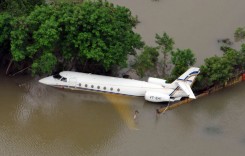
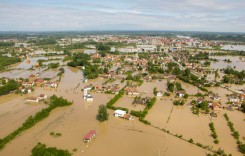
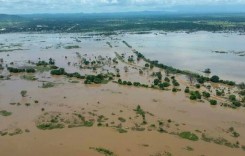
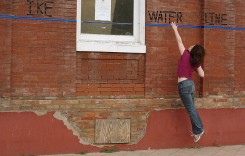
The Cameron Highlands is also know for the Lake Ringlet flood disaster of 2013. In October that year, flash-flooding in the catchment of the Lake Ringlet reservoir, coupled with existing siltation resulted in a rapid rise in the water level of the reservoir. Authorities believed a controlled release of water was necessary. Sadly this resulted in the flooding of 100 houses as the water ripped through the village Kg Bertam Valley on the Sundai Bertam below the dam. Four people were killed.

Illegal Deforestation
Many questions were asked about “What went wrong at Lake Ringlet?“.
With some similarities to the flood disaster of Uttarakhand (see Why Uttarakhand? that had occurred in India just a few months earlier, one of the reasons the Lake Ringlet flood was so rapid and severe was soil erosion caused by illegal tree felling and deforestation.
In his article for FloodList about the Lake Ringlet disaster, Ed Hill said:
As far back as mid-2012, the group Regional Environmental Awareness Cameron Highlands (REACH) began raising the alarm about deforestation in the area. In an October 2012 report, REACH president R. Ramakrishnan said he had submitted a letter in August 2012 to Pahang Mentri Besar (Chief Minister) Datuk Seri Adnan Yaakob, complaining about clearing of land in Pahang. He believed that most of the clearings were illegal. Even if permits had been issued in some cases, he added, the conditions were not being adhered to in accordance with the Land Conservation Act 1960.
Rampant tree felling seems to have been going on for several months before this despite authorities seizing heavy equipment including backhoes and excavators, with the culprits working at night deep in the forests.

New Instances of Illegal Land Clearing in Cameron Highlands
In the wake of the Lake Ringlet flood, authorities did all they could to end illegal deforestation in the area. Sadly it seems the halt was temporary. Several new illegal land clearing sites have recently been detected this year at the Blue Valley-Kampung Raja border, Kuala Terla, Brinchang and 49 Miles areas. Much of the forest in these areas are all on on Pahang government land. According to local eye witnesses, the illegal foresters even put up “no trespassing” signs while moving in various bits of heavy machinery. Local farmers know when work on a new illegal clearance is taking place as it causes muddy water to flow into their farms whenever it rained. The trees that used to prevent the mud and water flow are now gone.
Government Action
Reports and complaints by local farmers (many farmers suffered in the Lake Ringlet floods) have now prompted Natural Resources and Environment Minister Datuk Seri G. Palanivel to visit the area and order an investigation. The Minister took a helicopter ride over the region where he could see for himself the severity of the land clearances.
In response, Palanivel now aims to set up training bases on the highlands for “RELA Corps” (Ikatan Relawan Rakyat Malaysia / Volunteers of Malaysian People), army and law enforcement agencies.
The newly-cleared sites will also be rehabilitated, although it is not certain how long this will take and how much damage, including soil erosion, has already been done.
In response to the renewed illegal deforestation activities in the Cameron Highlands, Professor Madya Dr Tajul Anuar Jamaluddin of The National University of Malaysia told Bernama:
“This area is hilly and so the likely occurrence of soil erosion or landslides is very high if illegal tree felling continues.
“This is because there are no more undergrowth to act as a soil binder to strengthen the soil in the area,”
Deforestation may not be the sole cause of floods, but it amplifies flood risk and severity, particularly in hilly regions of the developing world. According to Tajul, plant and tree roots stabilise slopes by binding the soil particles and also aid soil drainage.
Sources: The Rakyat Post; New Straits Times