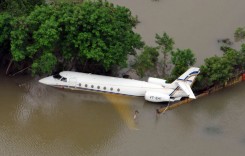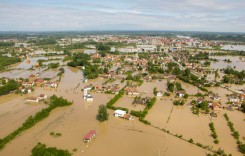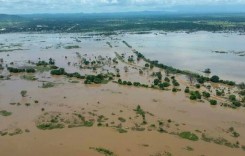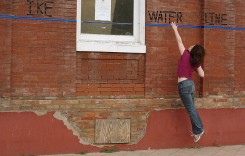
Heavy rainfall in England resulted in flash flooding in some southern and eastern counties of the country on Saturday 24th August 2013. The worst affected area was Essex, although floods were also seen in Suffolk, Kent and London.
Shoeburyness in Essex saw nearly 5cm of rain fall in just 1 hour. Other towns in the area saw similar heavy downpours, recording the most rainfall in a single day in the region for six years.
Entire streets had to be evacuated in the town of Billericay after floods caused landslips that dragged down a wall. Essex Fire and Rescue service had to answer more than 300 calls for help as a result of overnight floods. The worst affected areas in Essex include Southend, Canvey, Maldon, Burnham, Battlesbridge, Benfleet, Hockley, Westcliff, Rayleigh, Basildon, Billericay and Leigh.
Southend-on-Sea after saw one month’s worth of rain fall in just a few hours. The Eastern Esplanade was under 30cm of water and seafront arcades were flooded. To make matters worse the town’s drainage system failed and burst, bringing a torrent of rain down to the beach front in Western Esplande:
The flooding caused massive disruption on the roads. The weekend in a Bank Holiday (national holiday) where many take to the roads and head for the coast – exactly where the floods had hit. The heavy rain caused a nightmare for motorists across south Essex. Many of the busy roads were blocked and conditions were treacherous for many drivers out on the roads.
One family became trapped in their car after driving into flood waters under a railway bridge in Hockley, Essex. The water levels were higher than the driver expected and the car was lifted up by the water. As water levels rose, the family needed to be rescued by members of the public.
Map:
[mappress mapid=”82″]
Turn Around, Don’t Drown
In the USA there is a campaign: Turn Around, Don’t Drown. Historically 50% or more of the people killed by floods and flooding in the USA were in a vehicle of some kind. It is a similar story in the recent Australia floods. People in the UK rarely experience the raging floods seen in parts of USA and Australia, and many may well assume that the same dangers don’t apply. However, it must be remembered that just 2 feet (60cm) of water is enough to lift a car afloat, leaving the driver unable to control the vehicle. Usually in waters at this level the vehicle will stall as water seeps into the exhaust or air intake. A driver should never drive through water that is deeper than just a few centimetres / inches. As a general guide, water levels that go higher than half a wheel are too dangerous. However, even following this general guide can lead to problems. Flood water can hide dips or holes in the road surface, thus deeper water. The best advice therefore is: Turn Around, Don’t Drown.