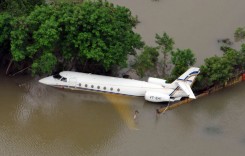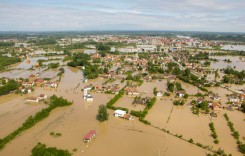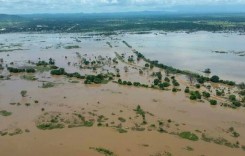
A study by a group of 3 scientists including Mark E. Luther, he associate professor of physical oceanography at the University of South Florida, claims that high and low tides levels in Florida are getting more extreme.
The study was published by the scientific journal Geophysical Research Letters. The three scientists – from UK, Germany and USA – compared tidal measurements for the years 1900 to 2011 for 13 different locations along the coast of the Gulf of Mexico, from Key West all the way to Port Isabel in Texas. The study took around 8 months to complete.
The scientists found that levels of high tides around the Gulf of Mexico, which includes large metropolitan areas such as Tampa and St Petersburg, have been getting higher, particularly since the 1990s. Sadly, new like this can only add to the fears of home owners in coastal areas of the state, many of whom are already facing huge hikes in the costs of flood insurance in Florida. Over 90% of Florida’s population live within 35 miles of the coast.
Of the report’s finding, Mark E Luther said
“The changes…have almost doubled the risk of hurricane-induced flooding associated with sea level rise since the 1990s for the eastern and northeastern Gulf of Mexico coastlines,”
In Key West, the levels of high tide have increased by 9 inches (23 cm) in the last century. Tidal flooding is already a regular occurrence in the area, and, with sea levels there are expected to rise further and more quickly over the next 50 years, things could get worse.
About to drown in the streets of key west #flood #crazy pic.twitter.com/S4oEJUDALA
— Dan Marr (@dumb_dan74) July 3, 2013
According to a news article from Tampa Bay News, there have already been several examples of rising sea levels in Florida. The examples they give include:
- At Waccasassa State Park in Levy County, palms trees are toppling over dead as rising saltwater creeps up the beach
- At Rookery Bay Preserve near Naples, saltwater mangroves have invaded what used to be freshwater marshes
- On the western side of Everglades National Park, inland marshes are being replaced by seawater ponds
Howevere it must be noted that the outcomes of the scientific research study also show that low tides in Florida are getting lower. This could prove to be good news should any future hurricanes make landfall during a low tide.
The research study was carried out by:
- Mark E. Luther, College of Marine Science, University of South Florida, St. Petersburg, Florida, USA
- Thomas Wahl, Research Centre Siegen-FoKoS, University of Siegen, Siegen, Germany
- Francisco M. Calafat, National Oceanography Centre, Southampton, UK
Sources: Geophysical Research Letters; Tampa Bay News