NASA’s Applied Remote Sensing Training Program is offering a free webinar on the Global Disaster Alert and Coordination System this February.
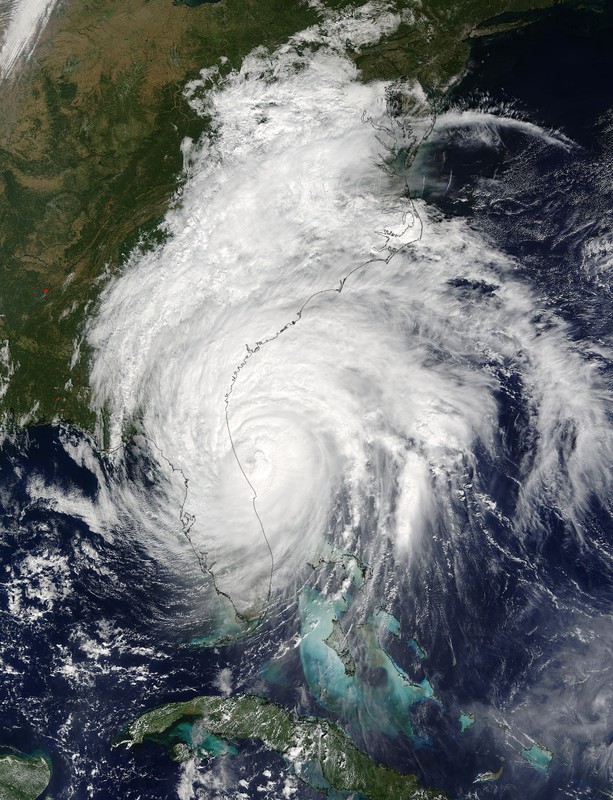
Up-to-date and accessible information is essential to providing an effective, coordinated response to disasters, such as earthquakes, floods, and tropical storms. The Global Disaster Alert and Coordination System (GDACS) provides near real-time data, alerts, and impact assessments that can be accessed online.
Use Satellite Imagery And Maps to Monitor Disasters in Real-Time
This two-hour webinar was developed to instruct participants on how they can use GDACS to monitor real-time disasters, assess the impacts of an event, and develop response strategies for both national and international events.
The course is aimed at disaster managers, emergency and relief organizations, and NGOs operating on local to international levels.
Training will include a presentation, followed by a demonstration of GDACS features and a case study with step-by-step instructions for obtaining satellite images, alerts, and crisis management information using GDACS.
The webinar will also feature a special guest, Luca Dell’Oro, Programme Specialist, UN Operational Satellite Applications Programme (UNOSAT), United Nations Institute for Training and Research (UNITAR).
Course Details
- Dates: February 21, 2017
- Times: 8:00-10:00 a.m. or 5:00-7:00 p.m. EST (UTC -5)
- Course Format: One, 2-hour session
Sessions are broadcast twice per day to allow for international participation
A certificate of completion will be provided to participants that attend the live webinar - Cost: The course is free, but you must register. Register for the webinar online here.
- Learning Objectives: By the end of this training, participants will be able to:
- Monitor real-time disasters using satellite images and maps
- Use GIS-based and in situ information to inform impact assessments and response strategies
How to Register
Learn how you can monitor disasters & develop response strategies using GDACS. Register for the webinar online here.