The United Nations World Food Programme (WFP) said in a statement yesterday that the WFP, in collaboration with the Government of Malawi and humanitarian partners has provided the first round of emergency food assistance to more than 288,000 flood-affected people.
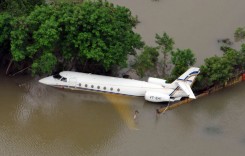
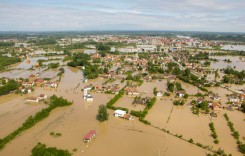
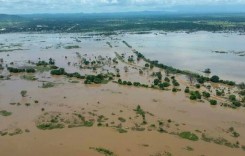
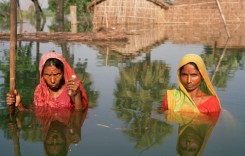
The floods struck in January 2015 after long periods of heavy rain. According to UN OCHA, by 26 January, 63,531 hectares of land had been flooded in Malawi, including wide areas of farmland, causing grave concern for crops and future harvests. OCHA said that the floods displaced 74,000 people and affected 638,000 people across 15 districts.

2,700 Tons of Food
WFP said it has distributed more than 2,700 metric tons of food to cover the emergency needs of the flood-affected people.
Food distriution has been carried out in 12 districts of Balaka, Chikhwawa, Karonga, Machinga, Mangochi, Mulanje, Nsanje, Ntcheu, Phalombe, Salima, Thyolo, and Zomba.
February distributions are starting this week to reach the most vulnerable in Balaka, Blantyre, Chiradzulu, Chikhwawa, Karonga, Machinga, Mangochi, Mulanje, Nsanje, Ntcheu, Phalombe, Rumphi, Salima, Thyolo, and Zomba.
WFP say it has sent 550 humanitarian workers to areas cut-off by flood waters in order to deliver vital assistance.

Rapid Needs Assessments and Ongoing Food Insecurity
WFP, other relief agencies and the Malawi government are currently participating in a joint rapid food security assessment in order to understand latest needs on the ground and the required duration of the floods emergency response.
The assessment will also provide recommendations on the duration of the ongoing lean season food insecurity response, which had already identified nearly 700,000 people in need of food assistance, and which is now running concurrently to the response to the floods in Malawi.
Funding Gap
Despite contributions to food and aid distribution from Government of Malawi, the UN Central Emergency Response Fund (CERF), Japan, the United Kingdom and the United States, the WFP says there remains a funding gap of US$3.3 million to cover the outstanding food requirements and logistics services to support the entire humanitarian community.
WFP say that these needs will likely increase following the results of the food security assessment.