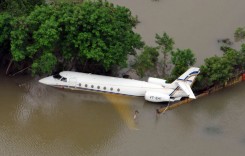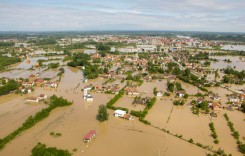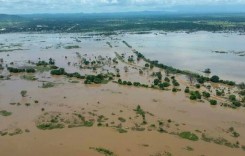
Asia has more than its fair share of natural disasters, and floods account for 40 per cent of the natural hazards affecting the region. Every year, floods cause colossal loss of lives and properties, which severely setback the development process. The recent climate change, global warming, rapid urbanization and socio-economic disparity are making the world, particularly Asia, vulnerable to floods. The need to combat the perennial problem of floods and resultant destruction has been at the forefront concern for most Asian nations, which calls for a proactive approach in establishing disaster risk reduction regime for safer and sustainable development.
The International Training Course on Flood Disaster Risk Management in a changing climate (FDRM) has been designed to achieve the goal of creating flood resilient society. With rich experiences in providing similar courses for natural disaster mitigation at international level, ADPC provides a model training experience in this course by integrating study materials, case studies, audio visual tools, field visits and interactive learning strategies. The course also presents flood preparedness and mitigation experience from severely affected countries like Lao PDR, Cambodia, Vietnam, Bangladesh, Nepal, India, Pakistan, Thailand, Sri Lanka and many other continents such as Africa.

Course Objectives
By completing the FDRM, participants will learn how to:
Discuss dynamics of flood risk in a changing climate
Evaluate the extent of flood risk and vulnerability and assess the capacity to response
Develop comprehensive strategies for flood risk management in a changing climate
Apply climate smart structural and non-structural measures for flood risk mitigation
Develop preparedness and response plans for effective flood risk reduction
Integrate flood recovery programs with flood risk management strategies
Address cross-cutting issues in flood risk management
Course Module
FDRM course offers an integrated approach to the development of flood risk reduction strategies, which enables a holistic view of flood risk and required measures for flood risk reduction. The course combines a unique blend of theoretical knowledge and practical exercises from international and local flood risk management experience. The course is divided into seven modules as follows:
Module 1: Introduction to Integrated Flood Risk Management
Basic concepts and terminologies in disaster risk management
Hydro-meteorological hazards, their formation and predictability
Flood disaster situation in Asia
Natural catastrophes occurrence in Asiaand the globalnature and causes of floods and secondary hazards
Module 2: Climate Change and Impending Flood Risk
Concept of climate change and global warming
Climate change and flood vulnerability challenges in implementing flood risk reduction interventions under challenging circumstances of climate change
Developing climate outlook/scenario and finding option for adaptation toclimate change
Module 3: Flood Risk Assessment
Basic principles and aspects of flood assessment
Process of flood vulnerability and capacities assessment
Process of flood risk assessment
Community-based flood risk assessment
Module 4: Flood Risk Mitigation
Concept and importance of flood plain management for flood risk mitigation
Tools for flood plan management
Climate smart structural interventions and its importance on flood risk mitigation
Flood-proofing in a multi-hazard environment
Integrated watershed management in a changing climate: a non-structural intervention for flood risk mitigation
Urban and rural development planning for flood risk reduction
Public awareness and capacity building for flood risk reduction
Module 5: Flood Disaster Preparedness and Response Planning Process
Flood disaster preparedness framework
Flood Contingency Planning Process
Flood forecasting and early warning systems
Flood emergency management
Flood evacuation process
Flood search and rescue
Module 6: Flood Recovery Planning & Implementation
Concepts of flood recovery planning & implementation
Flood damage and need assessment
Guidelines for sustainable recovery programs
Module 7: Crosscutting Issues
Economics of flood risk management
Financial tools for flood risk reduction
Relevant issues on trans-boundary, governance and gender
Note: The above contents are shown for guidance only. ADPC’s ongoing course improvement process may lead to some changes in topics and structure.
Course Faculty
Internationally experienced practitioners and experts from ADPC and other partner organizations will conduct and facilitate the FDRM course.
Course Policies
Language
All teaching and reference materials are in English. Participants must be fully conversant in English.
Accommodation
Applicants are highly recommended to stay at the hotel where the training is held. The room rate is approximately US$70-90 per single occupancy room per night including daily buffet breakfast.
Event fee
Package A with accommodation: US$3,175 Package B without accommodation: US$2,275.
What is included in the event fee
The standard course fee of US$3,175 covers course tuition, training materials, single accommodation with breakfast (13 nights), two break refreshments & lunch (Monday-Friday) during the training, and study visits. Participants will be responsible for their own travel expenses and arrangements, airport transfers, visa application, lunch on weekends, all dinners, health/accident insurance, and other personal expenses.
Participants who wish to seek own accommodation can choose an alternative course fee package B of US$2,275.
Target audience
This course is particularly useful for those concerned with the flood disaster risk management. It is open to all countries. Participation of decision makers, decision-makers, elected and appointed national and local administrators, the development and planning authorities, water engineers and flood control professionals, officials in urban planning, housing, public works, and water resource and management is especially encouraged. The course is of a certain benefit to private land developers, personnel from emergency response, UN, and other international agencies, or NGOs working on disaster mitigation. As course participants come from a diverse range of countries and organizations, and the class size is limited to 30 persons, ADPC accepts nomination on a “first come, first served” basis provided the applicant meets the requirement.
How to register
Interested persons can apply as individuals although preference will be given to those sponsored by the organizations. The application can be submitted online at http://www.adpc.net/tsu/sign-in.asp or offline through email, fax, or postal mail before 5th September 2014. The application form is available for download above. A more detailed course information will be sent to only accepted participants.