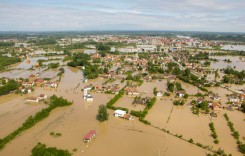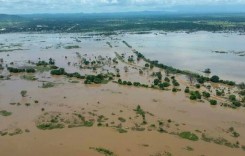
Jakarta, Indonesia, is one of the world’s most flood-prone cities. Locals to the area have feared and suffered the devastating effects of floods for years. Thirteen rivers cut through Jakarta, all of which lead to the Java Sea.
One of the main causes is deep groundwater extraction. Large areas of land settle and sink unexpectedly (known as land subsidence), and this phenomenon is becoming increasingly regular, with 15-25 cm of ground sinking over the course of one year. At this rate, ground levels will sink to a possible five meters below sea level in the next ten years. An additional worry is that sea levels are rising because of climate change and an upsurge of rainfall in the area. As the years pass, Jakarta is experiencing more and more flooding, which will have an enormous effect on the city’s economy.
Current flood management techniques include diverting the flow of water at peak times around the city into the purpose-built flood canals, which carry the flood water away to Jakarta Bay. This method once worked well, but as flood water levels increased, the canal’s capacity lessened, and many became blocked with residue and debris.
Jakarta Urgent Flood Management Project
With a project entitled the Jakarta Urgent Flood Management Project (JUFMP), the World Bank has intervened and teamed up with the government in Jakarta in 2013 to assist with their flood-management systems. Retention basins and floodways in and around the city were dredged, and equipment that is used in flood relief efforts has been renewed. Canals which until recently only measured one meter in depth are now four meters deep. There are further plans to work on eleven canals, measuring 67.5 kilometres in total, and about 42 kilometres of work on the embankments themselves.
World Bank Senior Disaster Risk Specialist Iwan Gunawan has stated that “dredging and strengthening embankments are very important because it will improve the capacity for water flow. This will reduce the risk of overtopping water, which could damage assets along the rivers.”
Two years in, the project is showing significant results. Data from 2007 showed 200 flooded wards, and data from 2015 showed only 130. Residents are also happy with the results. A local woman named Eti, whose children became ill in 2015 because of the flooding, states:
“After the dredging, the water recedes faster after heavy rain…Not much garbage floats around, so there is no longer a bad smell. My neighbors and I now enjoy hanging out along the river bank watching our children play.”