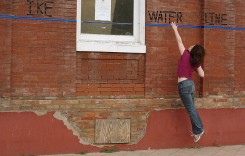
Local councils are preparing for the looming possibility of more major flooding later this year, according to the Local Government Association (LGA), which represents more than 370 councils in England and Wales.
Many local councils are still working to help the 15,000 flood-hit households and businesses recover from the devastation wreaked by the winter floods of 2015 to 2016. After the experience of such devastation, the LGA says that councils are making sure households and businesses are prepared for any potential flooding this winter.
Councils are encouraging residents and businesses to check to see if they are at risk of flooding, sign up to free flood warnings and consider ways to ensure they are prepared in the event of flooding. This includes ensuring they know how and where to switch off electricity, gas and water supplies and having relevant contact numbers easily to hand; identifying the best way of stopping or minimising entry of floodwater into properties; and prioritising key actions to take if flooding is expected, including what to take with them if homes or businesses need to be urgently vacated.
In a statement, the LGA said, “As this winter looms, councils say the critical issue is for future flood defence funding to be devolved by the Government to local areas, with councils working with communities and businesses to ensure money is directed towards projects that best reflect local needs.”
Councillor Martin Tett, LGA Environment spokesman, said:
“Councils are doing everything they can to protect households and businesses from the possibility of further devastating flooding this winter. Such was the severity of last year’s storms, some councils, who have experienced significant reductions to their core funding, are still helping residents to recover even now.”
Mandatory Anti-flood Requirements
The LGA also wants the Government to bring in mandatory anti-flood requirements for new homes in building regulations. These include raised electrical sockets, fuse boxes, controls and wiring above floor level; ventilation brick covers; sealed floors; and raised damp-proof courses. Building regulations reflect national government policies and control how homes are built and whether they are legal. Councils ensure developers stick to them.
Government Support
Councillor Tett also stressed the need for increased government support, but that future funding for flood defences must also be devolved by the Government to local areas.
“Government support has been vital in enabling local authorities and their communities to recover from last winter’s flooding devastation. The extra £12.5 million announced by the Government for temporary flood defences last month (September) is important. However, councils will need significantly more support from government to help prepare for the possibility of further flooding this winter and recover from any damage.
“Crucially, future funding for flood defences must also be devolved by the Government to local areas. This will enable councils, working with communities and businesses, to ensure money is directed towards projects that best reflect local needs. This includes protecting key roads and bridges to keep local residents and businesses moving. Councils know their local areas and are best placed to help families get back on their feet. The Government must be more flexible in its approach to flood funding.
“We are also calling on the Government to further incentivise firms to make contributions for flood defences. This should include, for example, extending tax relief for contributions to all flood defence projects, not just those with government funding attached.”