A report by the Committee on Climate Change (CCC) in UK released yesterday claims that increased flood risk is the greatest threat to the UK from climate change.
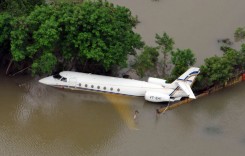
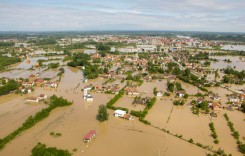
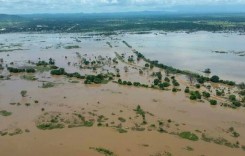
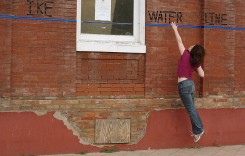
Models of the climate system suggest floods of the type experienced in England and Wales in autumn 2000, and between December 2013 and February 2014, have become more likely as a consequence of increased concentrations of greenhouse gases in the atmosphere.
For photos of the storms and floods that struck across the UK during the winter of 2013 – 2014, see our report here.

Lack of Investment in Flood Defences
The report also claims that the UK government isn’t spending enough on maintaining existing flood defences. It says “in 2014/15 almost three-quarters of the flood defence systems in England will not be maintained according to their identified needs.”
Previous investment in flood defences, as well as improvements in early warning systems and emergency planning, helped reduce the impacts of the winter storms in the UK. The December 2013 tidal surge, for example, was the largest seen since the 1953 North Sea floods which killed over 300 people in UK.

Building on Flood Plains
The report questions the continued building of new homes in flood plains. The CCC believes this is unsustainable and will lead to long term issues.
Chairman of the Committee on Climate Change, Lord Krebs, said:
The more you build in flood plains the more you are committed to investing in defence as the impacts of climate change, including sea level rise and increasing rain severity events, kick in.
Flood Awareness
There are around 4 million households in England that are situated in flood plains. The report claims many of these households are unaware they are at risk of flooding. The report lays some of the blame at subsidised flood insurance, such as the new Flood Re” insurance shceme in the UK.
“A history of subsidised flood insurance may explain why awareness of flood risk remains low amongst people living on the floodplain and why household-level action to avoid damage to date has been limited.”
Sustainable Drainage Systems (SuDS)
The report also points out that, 6 years on from an earlier review (called the PittReview) into flood risk, building companies are still not including sustainable drainage systems (SuDS) in their plans, or using permeable paving. Regulations to avoid surface water flooding caused by new development should be introduced, after repeated delay.
“Uptake of sustainable drainage systems (SuDS) in new development appears to be low, as is use of permeable paving. Rules brought in following the Pitt Review to limit the number of additional gardens lost to impermeable surfacing are not being enforced.”
About the Committee on Climate Change
The CCC is an independent body established under the Climate Change Act to advise the UK Government on reducing greenhouse gas emissions.
You can find more about CCC from their website here. You can find the recent report “Managing climate risks to well-being and the economy” here